
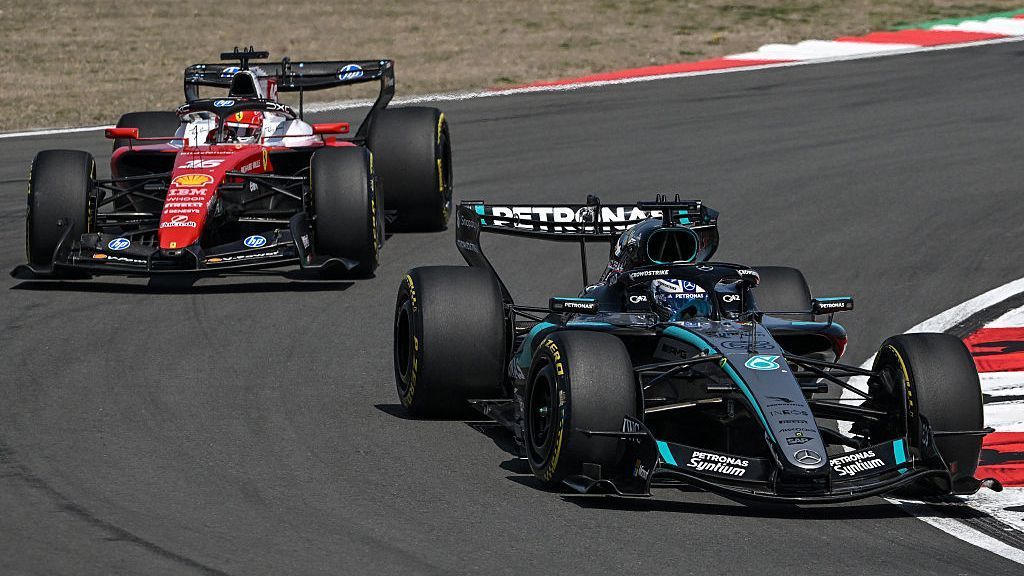
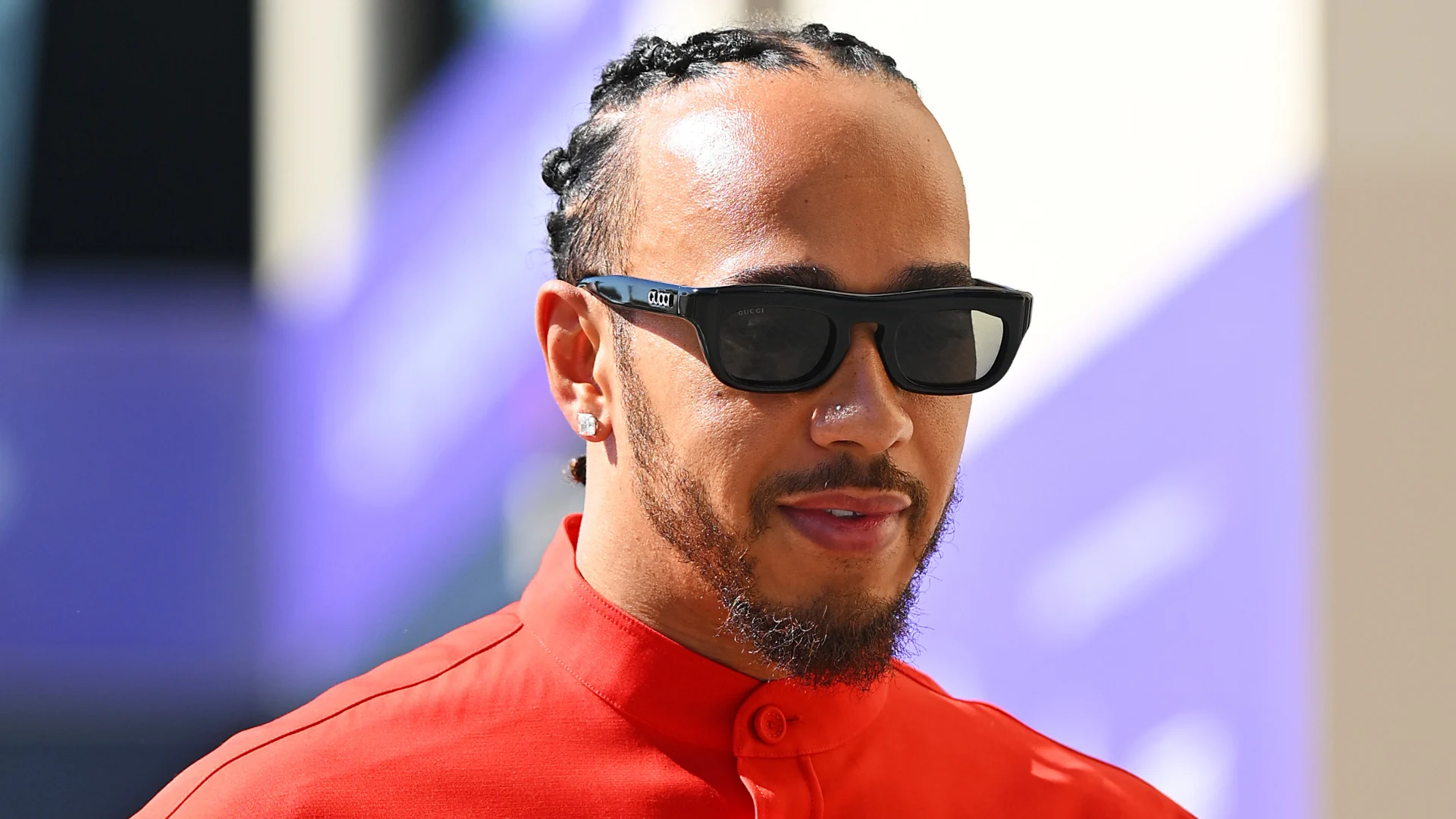
Sebastian Vettel delivered a masterful drive under the Sakhir lights to claim Ferrari's first Formula 1 victory in 34 races, holding off a determined Lewis Hamilton to win a captivating Bahrain Grand Prix that showcased the sport's return to genuine multi-team competition.
The German's triumph marked not only his personal return to the top step of the podium but also Ferrari's first win since Vettel's own victory at Singapore in September 2015, ending a drought that had stretched across two seasons. More significantly, it demonstrated that the 2017 championship fight will be far more than the Mercedes procession that defined the previous three campaigns.
Vettel controlled proceedings from the front, managing his pace expertly while Hamilton applied consistent pressure throughout the 57-lap encounter. The reigning world champion, starting his title defense with Mercedes, was forced to settle for second place despite pushing hard in the closing stages, unable to find a way past the scarlet Ferrari.
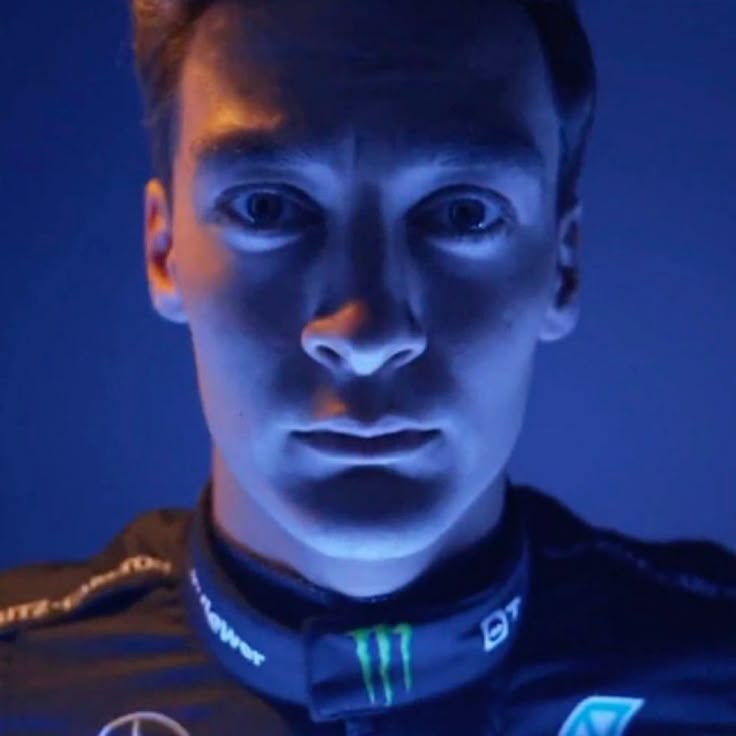
Valtteri Bottas completed the podium in third, marking a solid debut campaign start for the Finn in his new Mercedes colors. The former Williams driver showed the pace and racecraft that convinced Mercedes to promote him following Nico Rosberg's shock retirement, though he remained a distant spectator to the intense battle ahead.
Race Results
Kimi Raikkonen secured fourth place for Ferrari, ensuring both red cars finished in the points and providing the Maranello squad with valuable constructor's championship points. The Iceman's consistent drive highlighted Ferrari's improved package, with both drivers demonstrating the reliability and pace that had been missing during their recent wilderness years.
Daniel Ricciardo brought his Red Bull home in fifth position, the Australian extracting maximum performance from machinery that appeared to lack the outright speed of the leading duo of teams. His spirited drive suggested Red Bull would again play the role of opportunistic spoilers when circumstances aligned in their favor.
Career Journey
Felipe Massa claimed sixth place for Williams, the veteran Brazilian showing that experience and racecraft could still deliver solid points finishes. His performance provided early vindication for Williams' decision to convince him to reverse his planned retirement and return for another season.
Race Results
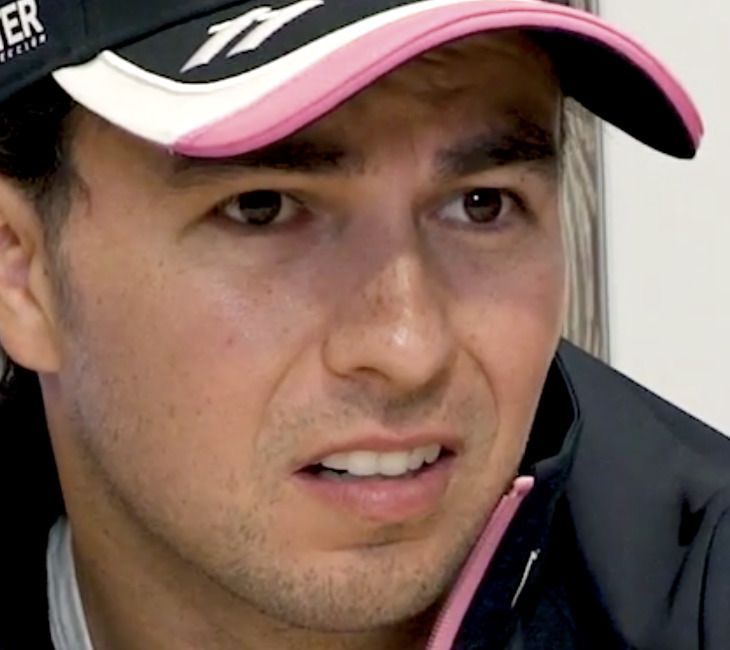
Sergio Perez secured seventh for Force India, continuing the Silverstone-based team's reputation for maximizing their limited resources. The Mexican's points finish highlighted Force India's consistency in the midfield battle, where every position could prove crucial in the tight constructor's standings.
Romain Grosjean delivered eighth place for Haas, the American team's French driver showcasing the continued progress of the Ferrari-powered outfit. Grosjean's solid drive demonstrated that Haas had avoided the sophomore slump that often affects new teams in their second season.
Nico Hulkenberg rounded out the points-paying positions in ninth for Renault, the German's experience proving valuable as the French manufacturer continued rebuilding their works team operation. His points finish provided encouragement that Renault's substantial investment was beginning to show results on track.
Esteban Ocon claimed the final championship point in tenth place for Force India, the young Frenchman's composed drive ensuring both pink cars finished in the points. His performance continued to build his reputation as one of the sport's most promising talents.
The race unfolded as a strategic battle between Ferrari and Mercedes, with both teams managing tire degradation and fuel consumption while maintaining competitive pace. The lack of safety car interventions meant pure speed and racecraft determined the outcome, favoring Vettel and Ferrari on this occasion.
Vettel's victory carried extra significance beyond the immediate championship implications. It marked his first win since Singapore 2015 and demonstrated that his move to Ferrari, initially viewed skeptically after several winless seasons, was beginning to bear fruit. More importantly for Formula 1, it suggested the 2017 regulation changes had achieved their intended effect of closing the competitive gap.
The result left both Vettel and Hamilton tied on championship points after the opening two rounds, setting up what promised to be an enthralling season-long battle. Ferrari's resurgence meant Mercedes would face their strongest challenge since the hybrid era began in 2014.
For Ferrari, the victory represented vindication of their patient rebuilding process under team principal Maurizio Arrivabene and technical leadership that had gradually closed the gap to Mercedes. The Tifosi could finally celebrate a grand prix victory after enduring two seasons of near-misses and mechanical failures.
The Bahrain result established the template for what many hoped would define the 2017 season: genuine competition between multiple teams, strategic battles extending beyond mere tire management, and drivers able to showcase their skills in machinery capable of racing wheel-to-wheel.
As the paddock prepared to leave the desert kingdom, the championship standings reflected a sport transformed from Mercedes dominance to genuine uncertainty – exactly what Formula 1 had desperately needed.