

Sky Sports F1 analyst Naomi Schiff has joined a growing chorus of paddock voices warning that the FIA's planned 2027 engine regulation tweaks risk hammering the very teams who agreed to enter the sport on the back of the current ruleset — with Audi singled out as the first major casualty of any rewrite.
The FIA is moving towards shifting the 2027 power unit balance closer to a 60/40 split between internal combustion and electrical energy, walking back from the 50/50 architecture that defined the 2026 reset. The shift is being framed as a fix for drivability problems exposed in the opening rounds of the season, but Schiff argues the political and financial cost is being underestimated.
"I think it's a very good point because we haven't even dived into what Audi are going to think of this," Schiff said. "Because they came and agreed to enter F1 on the basis that it was going to be a 50:50 split, which is now not going to be the case."

Audi committed to its full works programme on the assumption that the heavier electrical component would help close the gap to Mercedes, Ferrari and Honda-Aston Martin. Honda likewise re-entered the sport with manufacturer-backed status under the same regulations. Any move back towards an ICE-biased formula effectively rewards the incumbents who already had years of combustion know-how — and softens the strategic case Audi made to its board.
Schiff was clear that the financial exposure runs across the field, but the timing is brutal.
"That's probably a tricky conversation and a very political one to have, but also from a financial perspective. The big manufacturers like Mercedes, like Ferrari, etc., these teams will have spent hundreds of millions, potentially in the billions, on development of these engines."
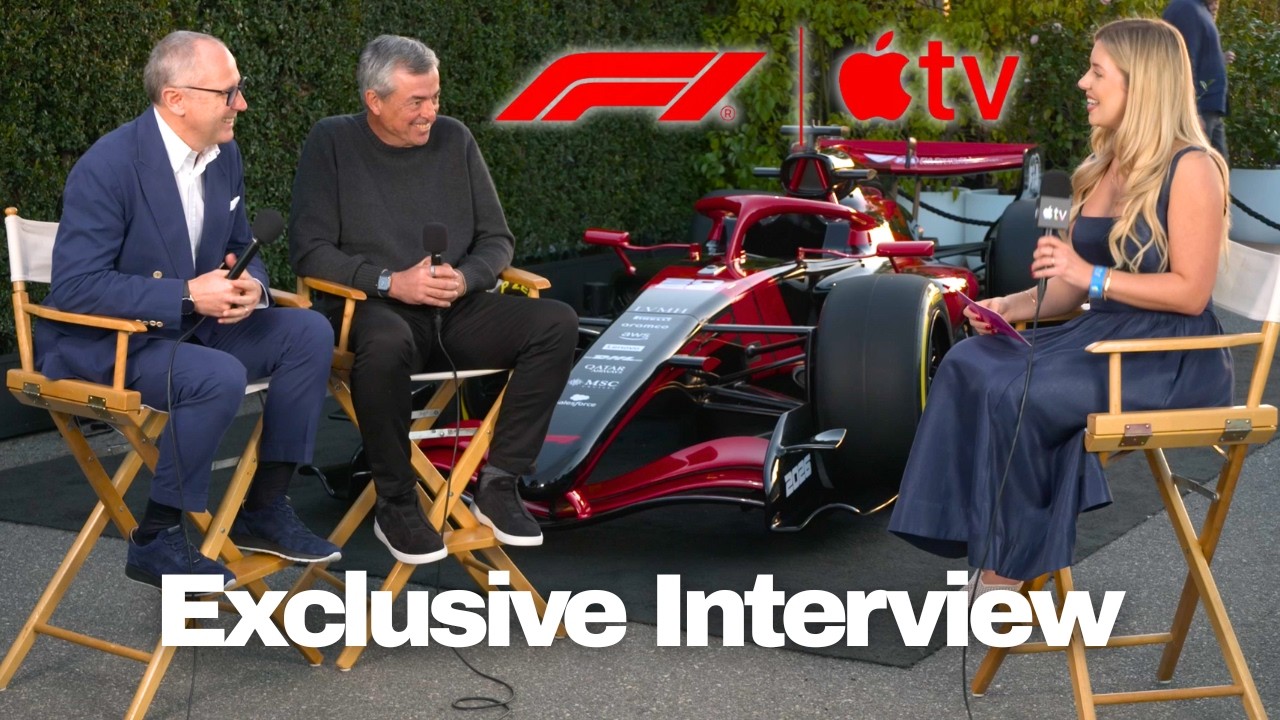
"You would probably expect a return on that investment in three to four years down the line, but if we go back to designing and all of that stuff, does that not have a massive financial impact, not just on the big teams, but particularly the smaller teams who also need to make changes to the chassis as we've mentioned?"
It is the cost-cap squeeze that turns a regulatory adjustment into an existential one for the back of the grid. Under the current financial regulations every team has the same chassis budget, but a mid-cycle aero or packaging revision triggered by an engine rewrite is paid for at the expense of in-season upgrades. A Mercedes or Ferrari can absorb the redesign while still chasing wins; a Sauber or Williams cannot.
The FIA has signalled the 2027 review will conclude after the Canadian Grand Prix — the formal end of the first ADUO catch-up window — and the manufacturers' meeting that follows will determine whether the 60/40 split is locked in. For Schiff and the teams she is speaking up for, the optics matter as much as the numbers. Audi entered F1 on a promise. Rewriting that promise twelve months into a five-year project sets a precedent that any future manufacturer will weigh before committing again.
---

*Originally published on [News Formula One](https://newsformula.one/article/naomi-schiff-2027-engine-rule-changes-smaller-teams-warning-2026). Visit for full coverage.*