
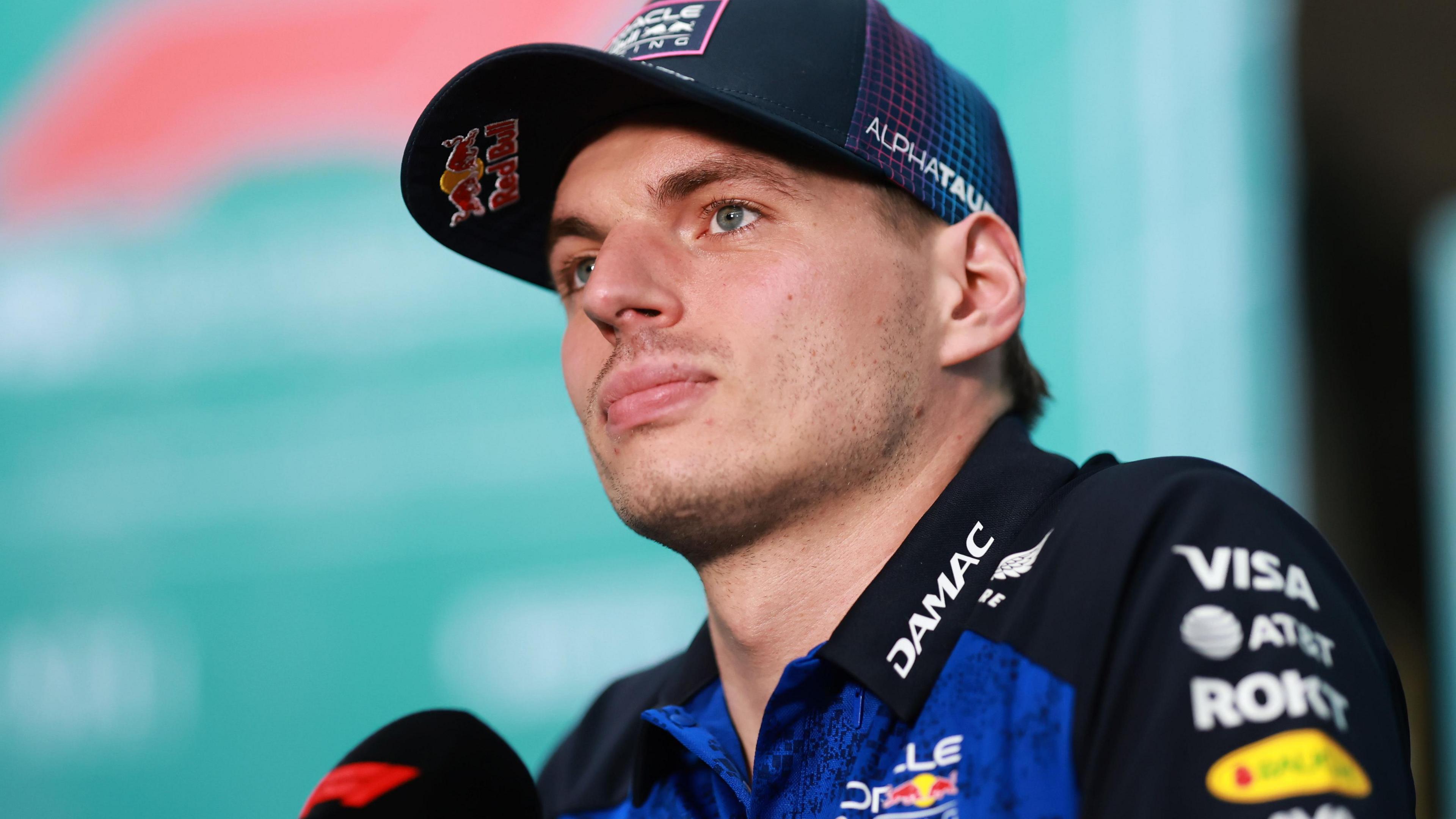
In Miami, Max Verstappen said the latest adjustments to Formula 1's regulations amount to "a tickle" in terms of addressing concerns about the new style of racing, while Lando Norris argued drivers "have to be happy" with the steps taken. George Russell welcomed the direction of travel, as the paddock assessed whether the changes would deliver the intended on-track effects this weekend.
Formula 1 has made a series of complex technical tweaks with two main goals: to restore qualifying to a more flat-out challenge and to lessen closing speeds in wheel-to-wheel combat. The current engines use a near 50-50 split between internal combustion and electrical power, demanding heavy energy management.
The updates are designed to reduce what have been described as "counter-intuitive" techniques in qualifying, such as lifting and coasting before corners to recharge the battery. They also target the large speed deltas that can occur when one car deploys its full 350kW (470bhp) of electrical power while another is charging and deploying none.
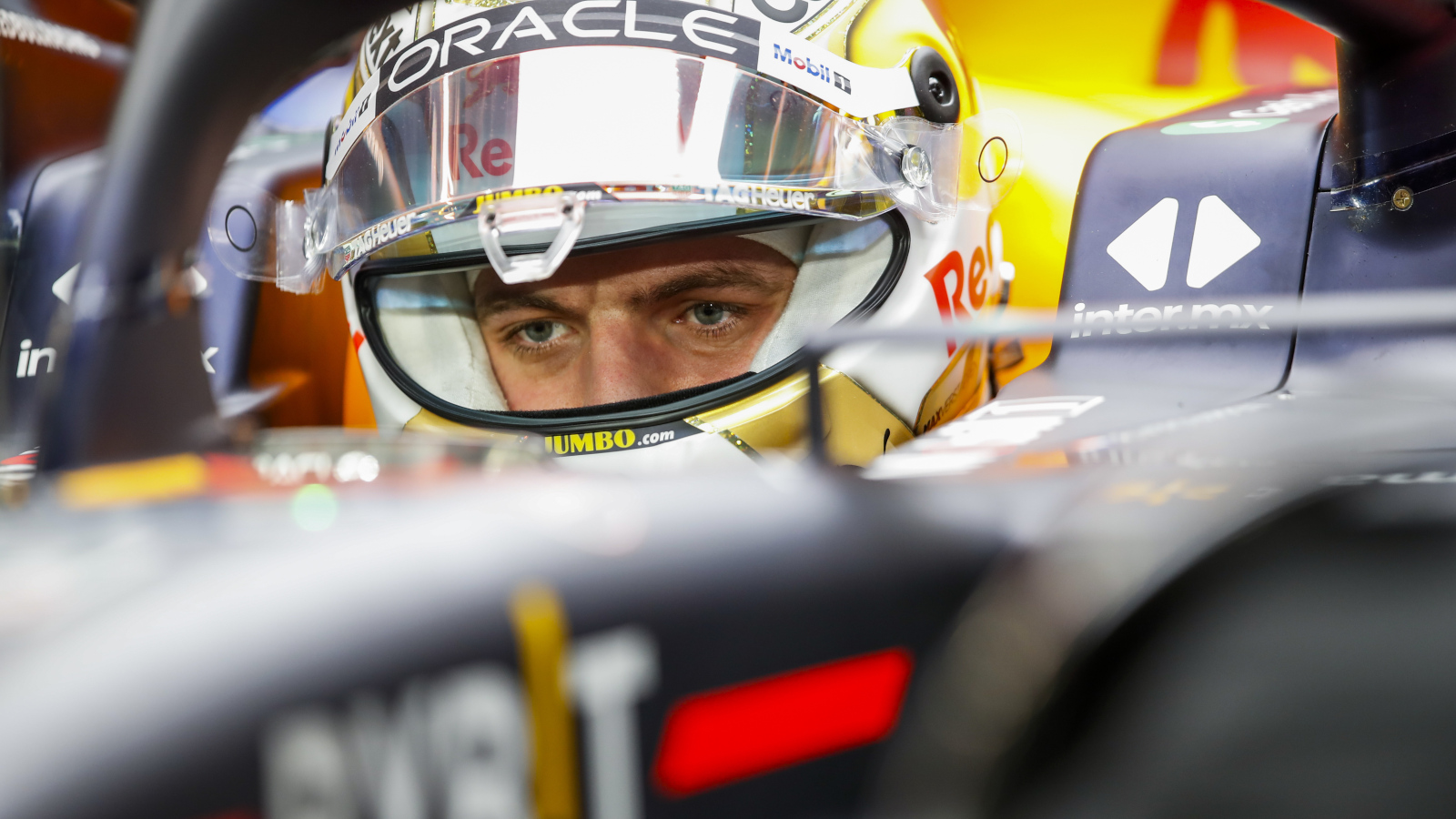
Verstappen, who has questioned his long-term future under the new formula, said: "It's a tickle. It's not what we need yet to really make it flat out. Like I said, it's complicated to get everything to agree. I just hope that next year we can make really big, big changes."
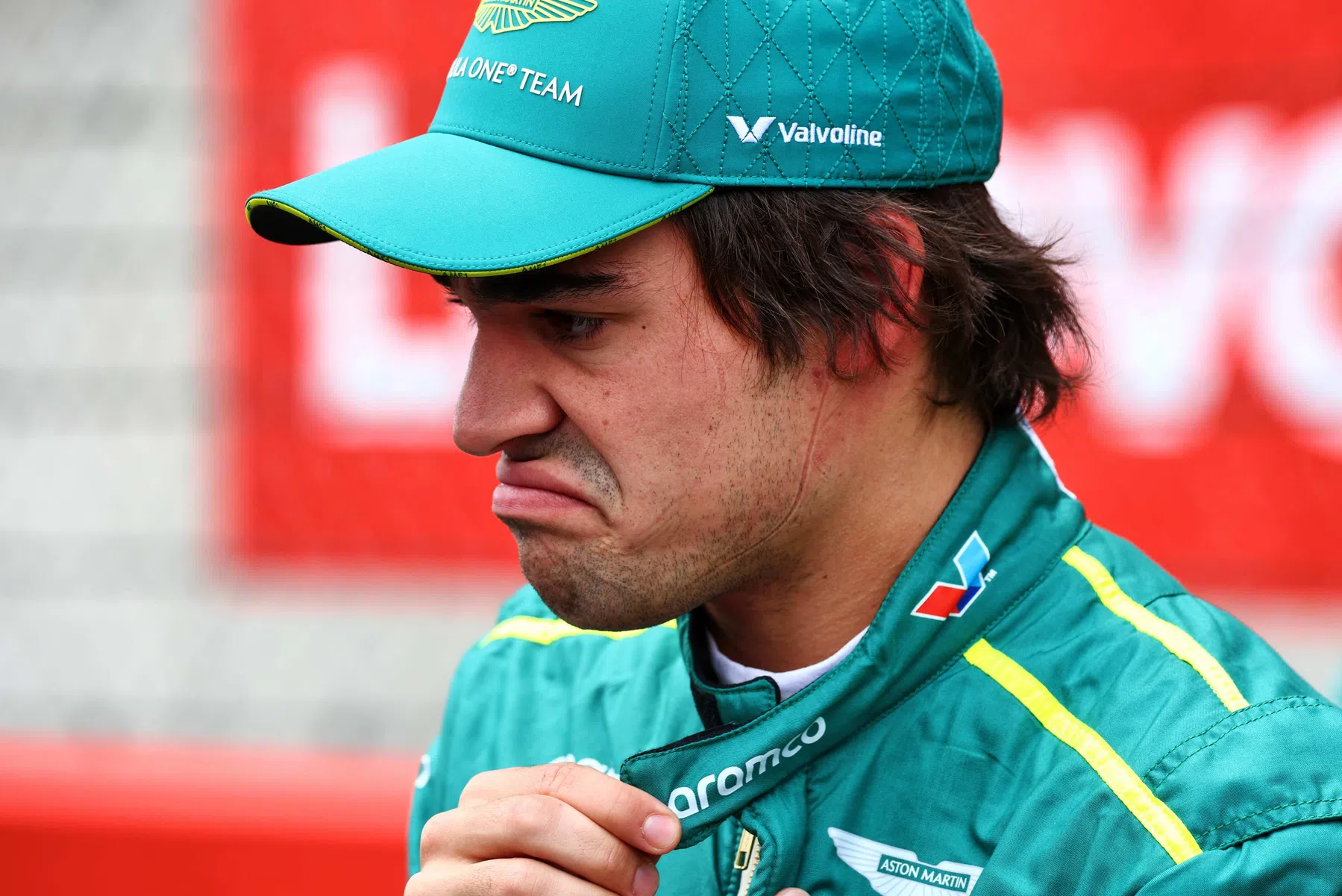
Norris struck a more measured tone about the scope of immediate fixes. "It's tough to go that much further. There's only so much you can do with the rules that you have to keep things within. We would all have liked more in the direction that they've gone.
"The race really isn't going to be that different. So some things are not going to change that much, and the qualifying should be a bit more flat-out qualifying-style laps, which is a nice thing. It's what we want [as] the drivers, so I think we have to be happy with the amount of changes that they've done."
He added: "We've done a good job in trying to improve things. The bigger things and the things we want more in the future are going to take more time."
Behind the scenes, figures including Andrea Stella and Laurent Mekies have argued that further progress likely requires hardware changes to the power units to reduce energy management demands. Specifically, they want to alter the balance between combustion and electrical output by increasing engine power, probably via a higher permitted fuel flow.
Such moves cannot come before next year because they could affect reliability with the current engines, and any change would need sign-off from four of the five engine manufacturers, as well as the FIA and Formula 1.
The debate around this season's rules has widened into a broader conversation about the ideal formula for the future. Aston Martin's Lance Stroll said the new rules were "fundamentally just so flawed", adding: "We're still far away from proper F1 cars, and pushing flat-out without thinking about batteries."
Two years ago, FIA president Mohammed Ben Sulayem pushed for a return to naturally aspirated V8 or V10 engines, an idea manufacturers rejected at the time. Russell cautioned that the decision-making is more complex than nostalgia suggests.
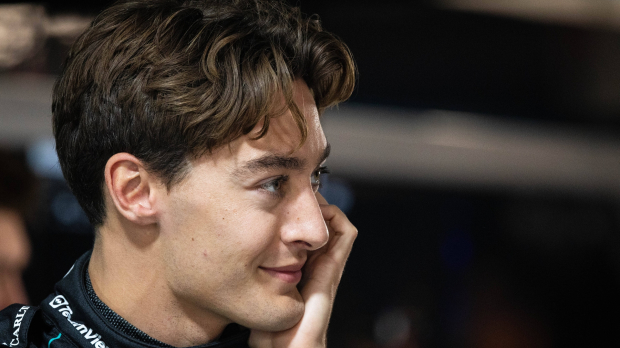
"There's a lot of talk about going back to a V8. That would obviously be pretty cool, the sustainable fuel topic is a fantastic one, and I think would be great for Formula 1. We need to find ways to reduce the cars even more, because [reducing] the weight of the cars has been a positive impact in terms of the racing and the drivability, being able to fight close with one another.
"If you look at the 'glory days' of Formula 1 20 years ago where everyone says they were the best cars ever - and I still agree they were probably the coolest cars we ever saw in Formula 1 in the early 2000s - there was no overtaking at all. So it's something we need to remember and we need to think about for the next time."
The Miami Grand Prix runs from 1-3 May, with Sunday's race scheduled for 21:00 BST. Attention will focus on whether the tweaks deliver more flat-out qualifying laps and narrower speed deltas in the race, and on how discussions evolve over potential engine changes for next year.
---