
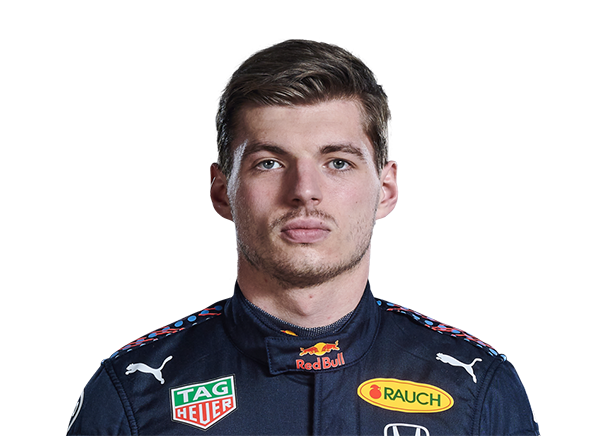
In the annals of Formula One history, few drivers have redefined the sport's landscape as comprehensively as Max Verstappen. At just 27 years old, the Dutch maestro has already etched his name among the all-time greats, transforming from a teenage prodigy into a four-time World Champion who has fundamentally altered the competitive dynamics of modern Grand Prix racing.
Verstappen's journey to F1 supremacy began long before his record-breaking debut in 2015. Born into motorsport royalty as the son of former F1 driver Jos Verstappen and Belgian karting champion Sophie Kumpen, Max's path seemed preordained. Yet his meteoric rise through junior categories—dominating KF3, WSK World Series, KZ2, and European Formula 3—suggested a talent that transcended mere hereditary advantage.
The motorsport world took notice when Verstappen arrived at the 2015 Australian Grand Prix as the youngest driver in Formula One history at 17 years and 166 days. Racing for Scuderia Toro Rosso, the teenager demonstrated remarkable composure and speed that belied his inexperience. However, it was his promotion to Red Bull Racing after just four races of the 2016 season that truly announced his arrival as a generational talent.
Career Journey
Verstappen's debut victory at the 2016 Spanish Grand Prix remains one of Formula One's most stunning moments. At 18 years old, he became both the youngest race winner in F1 history and the first Dutch driver to claim a Grand Prix victory. The win wasn't merely symbolic—it showcased tactical brilliance and racecraft that would become his calling cards throughout his career.
The following years saw Verstappen consistently challenge for victories despite Red Bull's machinery often falling short of the dominant Mercedes packages. His aggressive but calculated racing style, combined with an almost supernatural ability to extract performance from his car, established him as Lewis Hamilton's most credible challenger during the Mercedes era.
Championship Implications
The 2021 season marked Verstappen's transformation from perennial challenger to champion. His season-long battle with Hamilton captivated global audiences and culminated in one of the most dramatic championship deciders in F1 history at the Abu Dhabi Grand Prix. That victory made him the first Dutch World Champion and the sport's 34th title winner, ending Mercedes' eight-year constructors' championship streak.
By the Numbers
What followed has been nothing short of historic dominance. Verstappen's 2022 and 2023 campaigns redefined what peak performance looks like in modern Formula One. His 2023 season, in particular, was a masterclass in consistency and speed, featuring a record-breaking sequence of ten consecutive Grand Prix victories—a feat unprecedented in the sport's 74-year history.
Verstappen's statistical achievements paint the picture of a driver operating at the absolute pinnacle of motorsport. With 63 victories from 185 race starts, his win percentage ranks among the highest in F1 history. His 112 podium finishes and 40 pole positions further underscore his consistency at the sharp end of the grid. The 3,223 championship points accumulated over his career reflect sustained excellence across multiple regulatory eras.
Beyond raw statistics, Verstappen's racecraft sets him apart. His three grand slams—victories achieved while also claiming pole position, fastest lap, and leading every lap—at the 2021 Austrian Grand Prix, 2022 Emilia Romagna Grand Prix, and 2023 Spanish Grand Prix demonstrate his ability to deliver complete weekend performances when the pressure is highest.
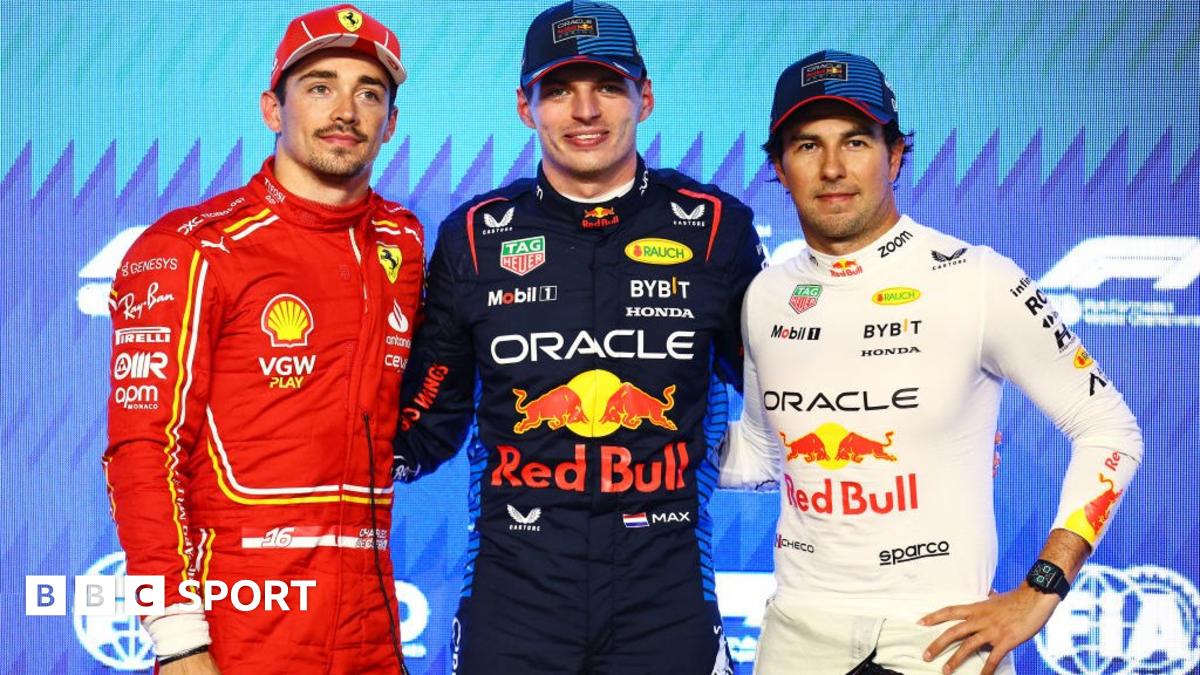
The partnership between Verstappen and Oracle Red Bull Racing has proven transformative for both parties. Since his promotion from Toro Rosso, Verstappen has been the cornerstone around which Red Bull has built their championship-winning formula. His contract extension through 2028 signals Red Bull's commitment to building around their star driver while providing Verstappen the stability to pursue further championship glory.
Verstappen's driving philosophy centers on maximizing performance while maintaining calculated aggression. His wheel-to-wheel racing ability has earned respect from competitors and fans alike, while his technical feedback has reportedly been instrumental in Red Bull's aerodynamic and setup developments. This combination of raw talent and engineering acumen has made him an invaluable asset beyond his on-track performances.
The Dutch driver's impact extends far beyond individual accolades. His success has triggered unprecedented enthusiasm for Formula One in the Netherlands, with the Dutch Grand Prix returning to the calendar after a 36-year absence. The sea of orange that follows Verstappen to circuits worldwide has become one of the sport's most recognizable sights.
As Verstappen enters the prime years of his career, questions naturally arise about the extent of his potential achievements. With four championships already secured and the possibility of matching or exceeding the seven titles held by Michael Schumacher and Lewis Hamilton, Verstappen stands at the threshold of establishing himself as Formula One's greatest driver.
The 2024 season and beyond will determine whether Verstappen's current dominance represents a sustained dynasty or a particularly brilliant chapter in his career. What remains certain is that Max Verstappen has already secured his place among Formula One's immortals, transforming from the sport's youngest competitor into one of its most accomplished champions—a journey that seems far from complete.