
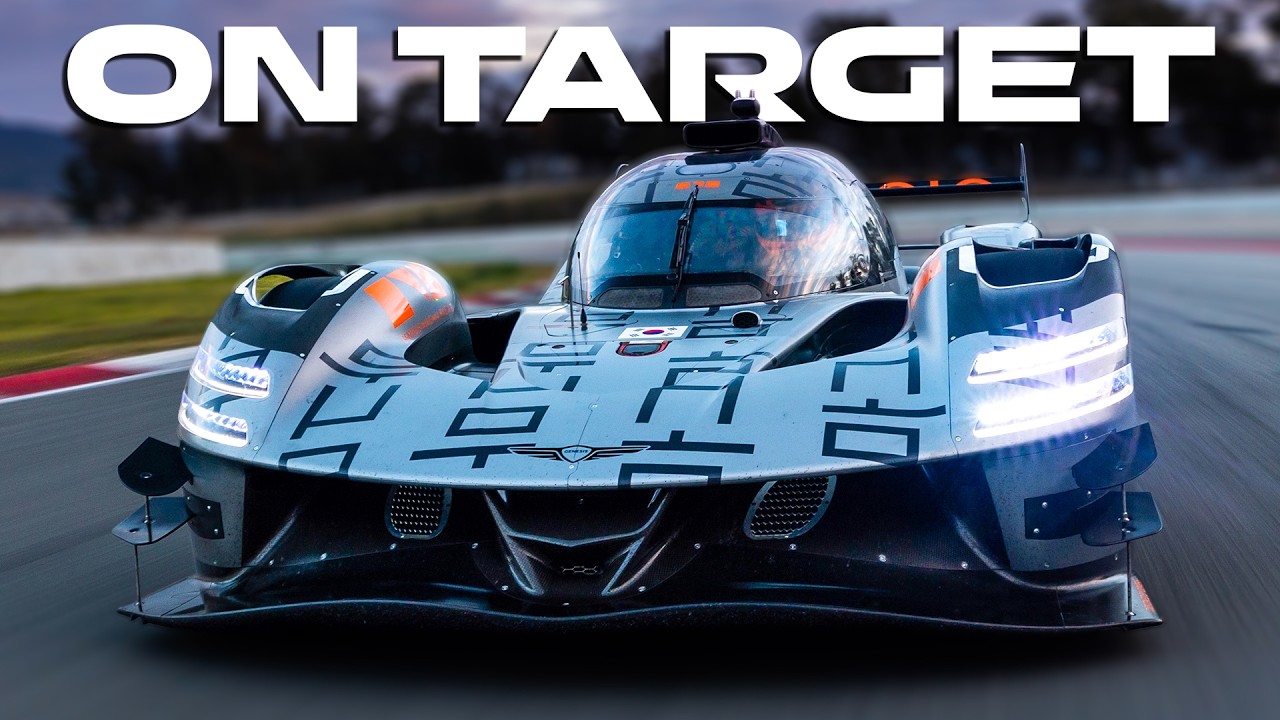
Genesis Magma Racing has spent the past 12 months turning a luxury car badge into a credible Hypercar contender. With the 2026 FIA World Endurance Championship under way, the GMR-001 is on the grid for its first full season — and the team that is racing it is built around a six-driver lineup that mixes endurance pedigree with development continuity.
The focal entry is the No. 17 GMR-001, shared by long-time WEC veteran Andre Lotterer, Brazilian sportscar specialist Pipo Derani and emerging French talent Mathys Jaubert. The sister No. 19 has Mathieu Jaminet and Dani Juncadella confirmed, with Paul-Loup Chatin completing the trio after his clearance came through at the start of the new year. Reserve driver Jamie Chadwick continues to bank seat time in both cars.
The programme finished its development cycle with a three-day test at the Circuit de Barcelona-Catalunya in December, running both cars in near-final configuration. The headline number from that test was 8,000 kilometres covered on car #17, a key reliability milestone for the in-house Hyundai Motorsport-built G8MR 3.2-litre turbo V8 powering the chassis.
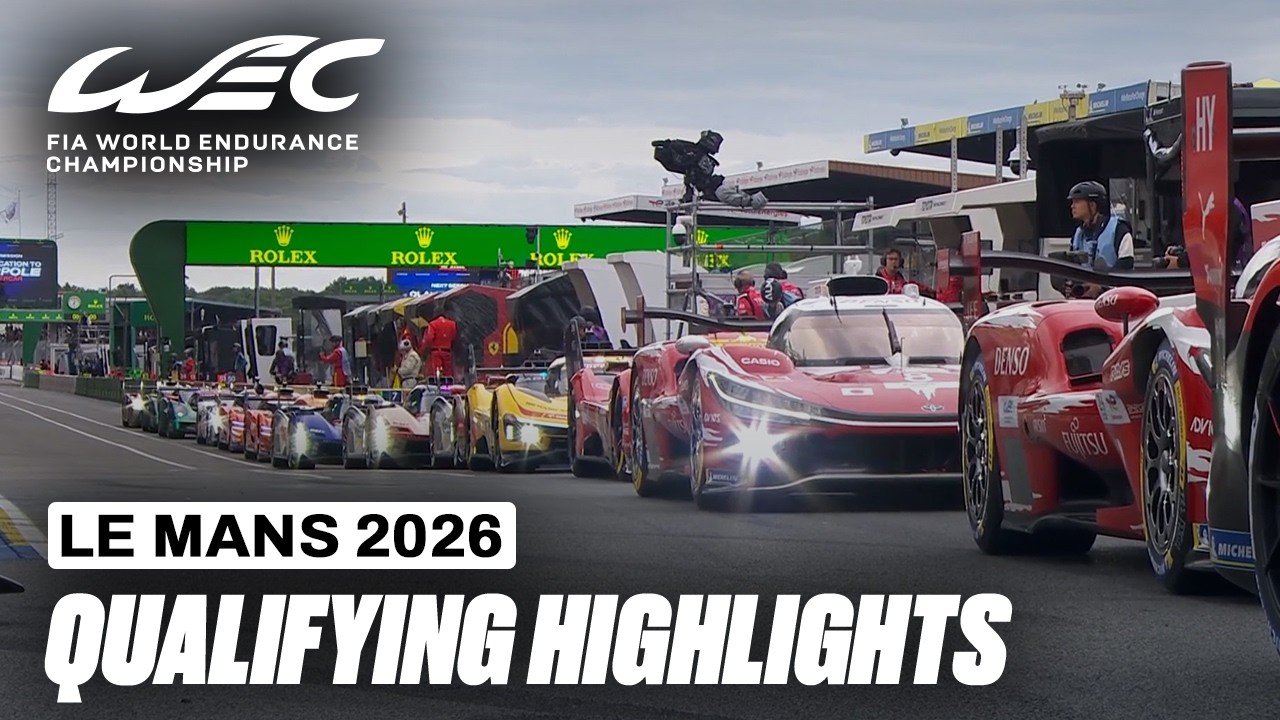
"Our biggest success — we have a brand new engine has recently completed over 8,000 mileage," one team principal said during the post-test debrief. "The drivers, the whole team, we need to work hard, and nobody all is fast."
The Barcelona test was significant beyond mileage. It was the first time the team operated in close to its race-weekend configuration, with engineers, mechanics, drivers and management all working together to a single procedural standard. "Everything is new to us, the car is new, the chassis, the powertrain is new," the engineering side acknowledged. "We do as much as we can through simulation, through virtual testing and development, but at some point you have to go physical, and that's what tests are for."
The drivers, particularly the endurance-experienced Lotterer and Derani, have spent much of the 12-month build-up referencing the bigger picture rather than lap times. "It's good to be in Le Mans here, because last time we were here we think it was our first participation and our first win," Derani said, recalling the LMP2 chapter that opened the project. "To bring it into the Hypercar stuff and see a whole team of people behind me and that car on track is incredible."
The team has been clear that the gap between Hypercar speed and Hypercar endurance is its toughest test. "There's one thing going fast, but 24 hours at Le Mans is a completely different challenge," Lotterer noted. "You learn a lot from mistakes, for sure, as always when you have to develop a car. From that I would say we are pretty much in tip-top condition at the moment."
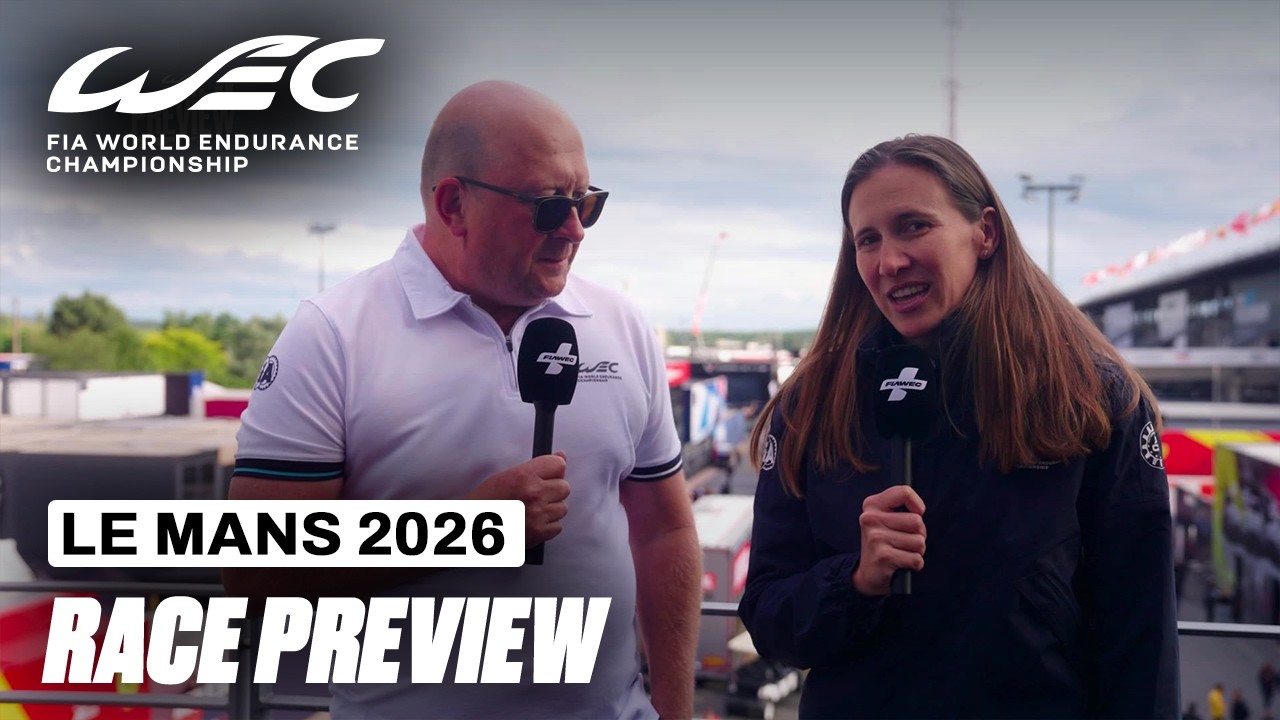
The pre-season message from Magma Racing has been measured rather than triumphant. "We are getting closer and closer to be ready, either from workshop to the track, and we're very happy for that. We should be proud of what we reached so far," one team voice said. The same engineer added the line that has become something of a programme mantra: "After a test session like the one we had this week, we feel not totally prepared because still lots of details, but close to it."
With Porsche's factory programme exiting and the FIA confirming Genesis among the new entries, the South Korean luxury brand now joins Toyota, Ferrari, Cadillac, BMW, Aston Martin, Alpine and Peugeot on a Hypercar grid that has rarely been deeper. The first races have already shown the field is competitive front to back. For Genesis, the targets in 2026 are simple: finish, learn, and build a foundation for the Le Mans 24 Hours that the team's sportscar veterans know is the only race that ultimately matters.
---