
The most important shift in the first weekends of the 2026 Formula 1 season may have nothing to do with lap times, driver pairings or team principal reshuffles. It may be the simple fact that cars are racing wheel-to-wheel again — and that the reason has almost nothing to do with the aerodynamic regulations designed to deliver exactly that outcome.
The Race, the technical analysis outlet, has laid out the case: the 2026 power-unit rules have stumbled into solving a problem that two decades of aero regulation packages could not.
**Why aero could never fully fix dirty air**
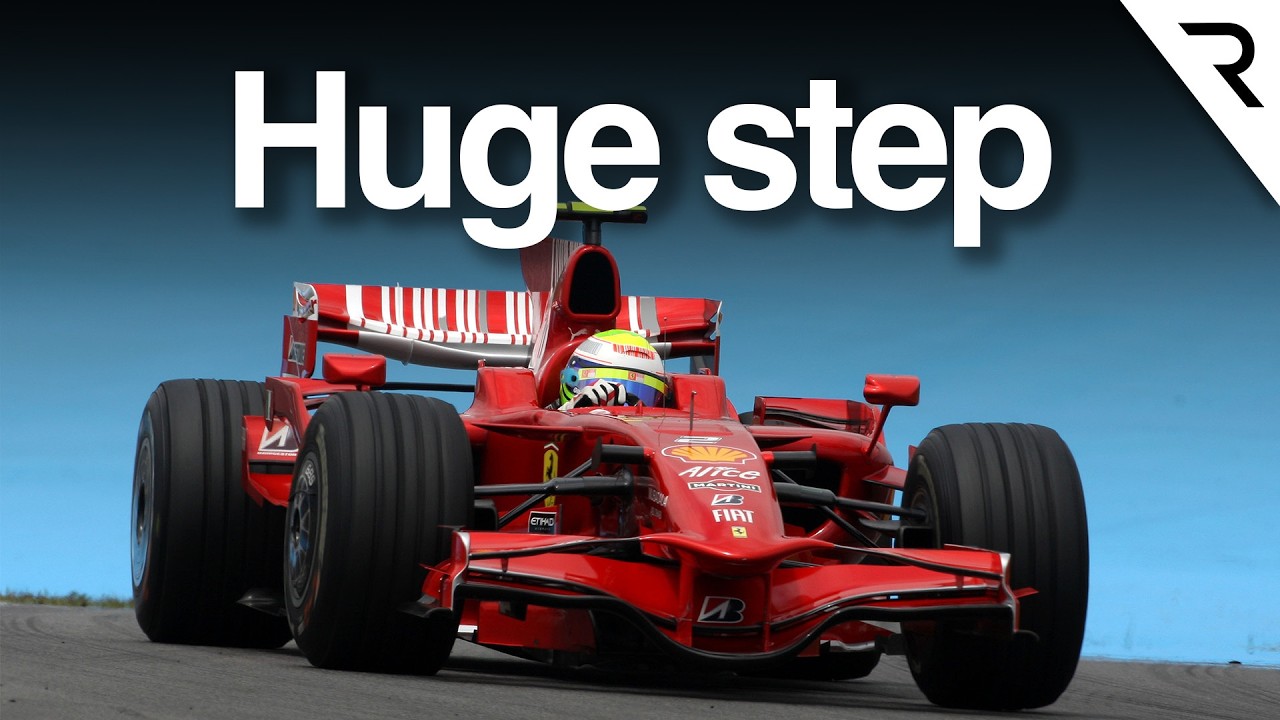
The analysts start with a physics reminder that sometimes gets lost in the rulebook:
"The laws of physics mean the original aerodynamic problem could never be solved by aerodynamic means. A racing car moving through the air is always going to disturb the air flow. So, the problem can only ever be partially mitigated."
This is the argument F1's engineers have been quietly making for years. Ground effect, simplified front wings, aero wake limits — each iteration chipped away at the following-car deficit but none could eliminate it. A moving body in air will always shed a disturbed wake. That's not a regulatory choice. That's atmospheric physics.
**What 2026 actually changed**
The 2026 power-unit rules doubled the electrical contribution and introduced more pronounced energy-state variability through the lap. Cars now experience significant power differences depending on their battery harvest state at any given moment. This was supposed to be, at most, an incidental side effect of the electrification push.
Instead, The Race's analysts argue, it has become the key to overtaking:
"These big power differences at varying parts of the lap allow cars to simply push through the aero disadvantage and go wheel-to-wheel. And with the potential for harvesting and deployment the same for everyone, you can attack and defend around the lap."
For the first time in two decades, a trailing car has a tool that doesn't depend on aerodynamic parity. Power, not airflow, is what breaks the stalemate.
**The criticism — and the case for preserving it**
The argument cuts both ways. Drivers including Lando Norris and Max Verstappen have criticised the 2026 energy behaviour as "yo-yo racing," and fans have complained about lap times that are slower than 2025. The Race doesn't dismiss the criticism. But the analysts make a pointed observation:
"The huge disparities in power depending on battery state have led to criticism of the racing in some quarters, but it's allowed good old-fashioned battling to return to F1."
The balance between "artificial" and "exciting" is a debate for another day. The structural achievement is separate — and it needs protecting.
**The lesson for future rule packages**
The piece ends with a warning for regulators:
"F1 must ensure this effect continues to allow the cars to get close to each other as the racing settles down under the new rules. And even more importantly, ensure the lesson that you must quite literally overpower the problem is integrated into all future regulation packages."
---
*Originally published on [News Formula One](https://newsformula.one/article/f1-2026-power-units-accidentally-solved-dirty-air-problem-the-race). Visit for full coverage.*