
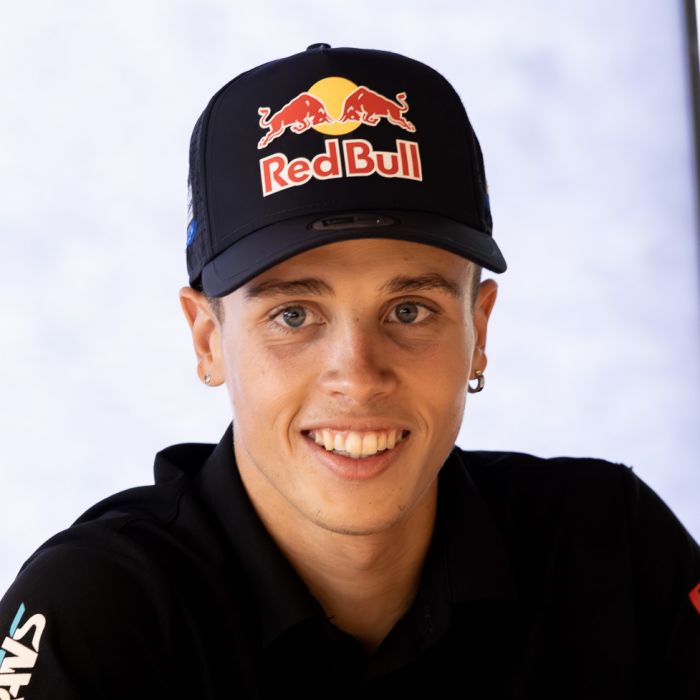
Brazilian motorcycle racing has found its breakthrough star in Diogo Moreira, who enters the 2026 MotoGP World Championship as the sport's newest sensation. At just 21 years old, the São Paulo native carries the weight of history on his shoulders as he prepares to line up on the premier class grid with LCR Honda Idemitsu Castrol, sporting the number 11.
Moreira's arrival in MotoGP represents a seismic moment for Brazilian motorsport. His 2025 Moto2 World Championship triumph made him the first Brazilian rider ever to claim a world title in any class of Grand Prix motorcycle racing, breaking new ground for a nation better known for its four-wheeled racing prowess. This achievement alone places him among the most significant figures in contemporary motorcycle racing, regardless of his MotoGP results.
The journey to MotoGP's summit began far from the glamorous circuits of Europe. Moreira cut his teeth in the dusty motocross tracks of Brazil, developing the fundamental skills and fearless approach that would later serve him well on tarmac. However, recognizing the limitations of staying in his homeland, the then 13-year-old made the bold decision to relocate to Spain in 2017 – a move that would prove pivotal to his career trajectory.
Championship Implications
Spain has long been the proving ground for aspiring motorcycle racers, and Moreira embraced the challenge wholeheartedly. His European debut came in 2019 in the CEV International Championship's Talent Cup, where he immediately demonstrated his potential. One victory and three podiums in his debut season, culminating in sixth place overall, announced the arrival of a genuine talent on the continental stage.
Race Results
The transition to the Moto3 class within the CEV championship in 2020 marked the next phase of his development. While the results – a best finish of fifth place and eleventh in the standings – might appear modest on paper, they represented crucial learning experiences for the young Brazilian. The following season saw similar results, with another eleventh-place championship finish, but the consistency suggested a rider steadily building his craft.
Career Journey
What the CEV statistics don't fully capture is the steep learning curve Moreira was navigating. Adapting to European racing culture, mastering new circuits, and competing against riders who had been honing their skills in sophisticated programs from an early age required tremendous mental fortitude. The fact that he not only survived but thrived speaks volumes about his character and determination.
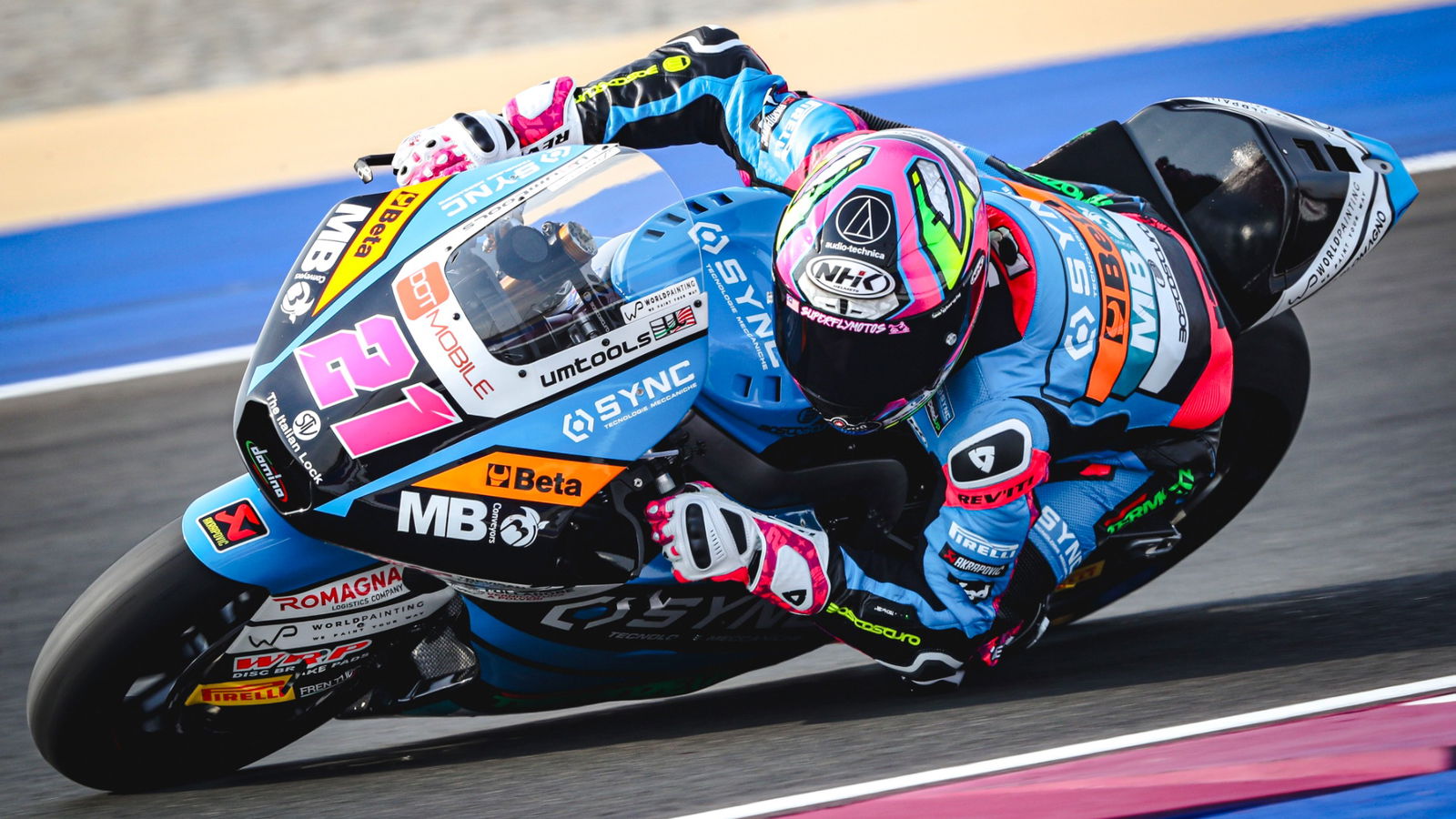
The breakthrough came with his progression to the Moto2 World Championship, where Moreira's talent finally found its perfect expression. The intermediate class, known for its competitive balance and as a proving ground for future MotoGP stars, provided the platform for his historic championship campaign in 2025. The title didn't just represent personal success – it shattered barriers and opened doors for future generations of Brazilian riders.

Now, as he prepares for his MotoGP debut with LCR Honda Idemitsu Castrol, Moreira faces perhaps his greatest challenge yet. The premier class represents the pinnacle of motorcycle racing, where the margins for error shrink dramatically and the competition reaches its most intense level. The Honda RC213V he'll pilot in 2026 is a machine that demands respect, technical understanding, and precise riding technique.
LCR Honda, led by team principal Lucio Cecchinello, has established itself as one of MotoGP's most respected satellite operations. The team's track record of developing young talent and providing competitive machinery makes it an ideal environment for Moreira's MotoGP education. The Idemitsu Castrol partnership brings additional resources and expectations, but also the support structure necessary for a rookie to adapt to MotoGP's demands.
Statistically, Moreira enters MotoGP with a clean slate – zero championships, wins, podiums, poles, and points in the premier class. These numbers, while accurate, tell only part of the story. His Moto2 championship credentials demonstrate his ability to perform under pressure and compete at the highest level of motorcycle racing outside MotoGP itself.
The challenges ahead are substantial. MotoGP's modern era demands not just riding skill but also technical acumen, physical conditioning, and mental resilience. The bikes produce over 270 horsepower, reach speeds exceeding 350 kilometers per hour, and require split-second decision-making at every corner. The competition includes multiple world champions and riders with decades of combined experience.
Yet Moreira's story suggests he possesses the qualities necessary to succeed at this level. His willingness to leave his comfort zone at a young age, his steady progression through the racing hierarchy, and his historic Moto2 championship all point to a rider capable of competing with MotoGP's elite.
Beyond personal achievement, Moreira carries the hopes of an entire nation. Brazil's passionate motorsport fans have long awaited a representative in MotoGP's upper echelons, and his presence on the grid represents possibilities that extend far beyond individual race results. Success could inspire a new generation of Brazilian riders and potentially attract increased support for motorcycle racing infrastructure in his homeland.
As the 2026 season approaches, Diogo Moreira stands poised to write the next chapter in both his career and Brazilian motorcycle racing history. The combination of youthful ambition, proven ability, and historic significance makes him one of the most compelling stories in contemporary MotoGP.