
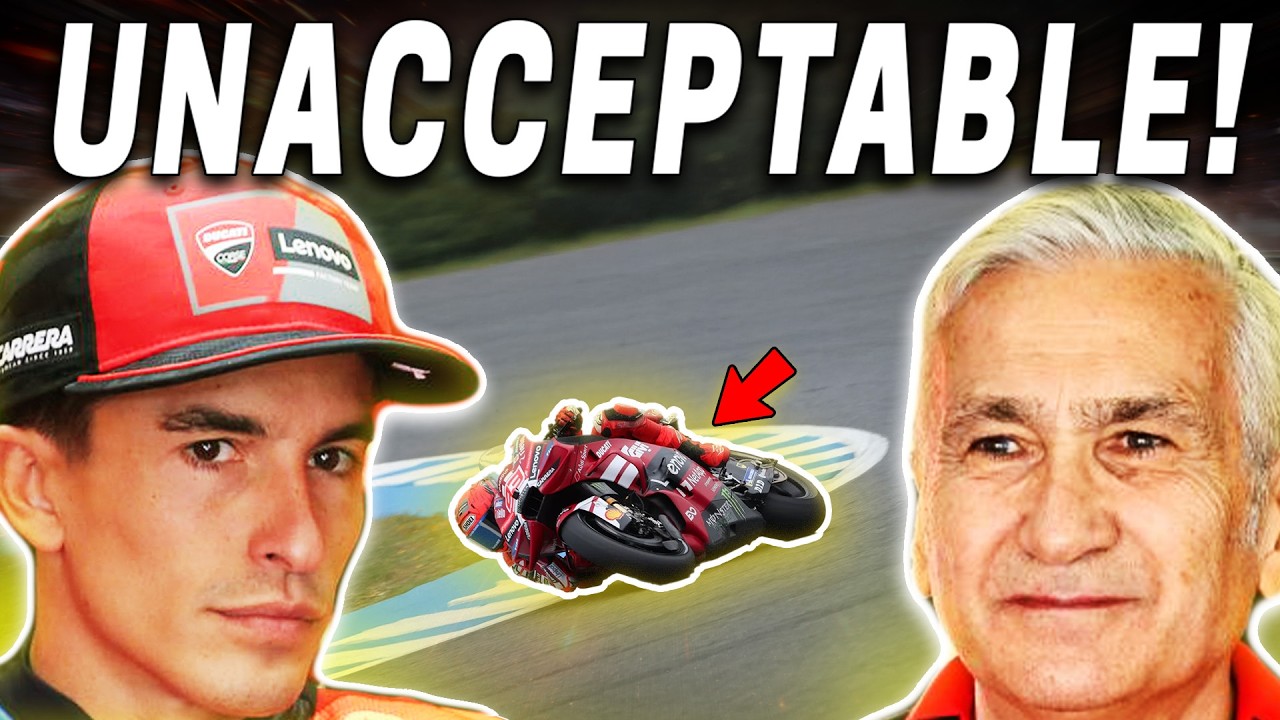
Ducati's MotoGP 2026 problem now has a public face on the technical side, and it is not from the Bologna pit wall. Fabio Di Giannantonio, riding the VR46 satellite GP26, has delivered the clearest sentence anyone in the Desmosedici family has spoken about why Marc Marquez and Pecco Bagnaia have been chasing Aprilia all season.
Speaking after the Austin round, where he ran inside the top five before fading on used tyres, Di Giannantonio described what he was feeling on the brakes. "The others can break later, use the front to turn the bike, and at the moment the GP26 cannot," he said. The line cut through weeks of vague language out of the factory garage about set-up tweaks and rider rhythm.
What Di Giannantonio was articulating is a structural problem in the new aero package. The Aprilia RS-GP26, the bike Marco Bezzecchi has used to lead the world championship into Jerez, is generating front-end load under braking that the GP26 simply cannot match. That allows Bezzecchi, Jorge Martin and even Raul Fernandez to delay their braking points and pivot the bike on the front tyre — exactly the area where Marquez has historically built his lap time.
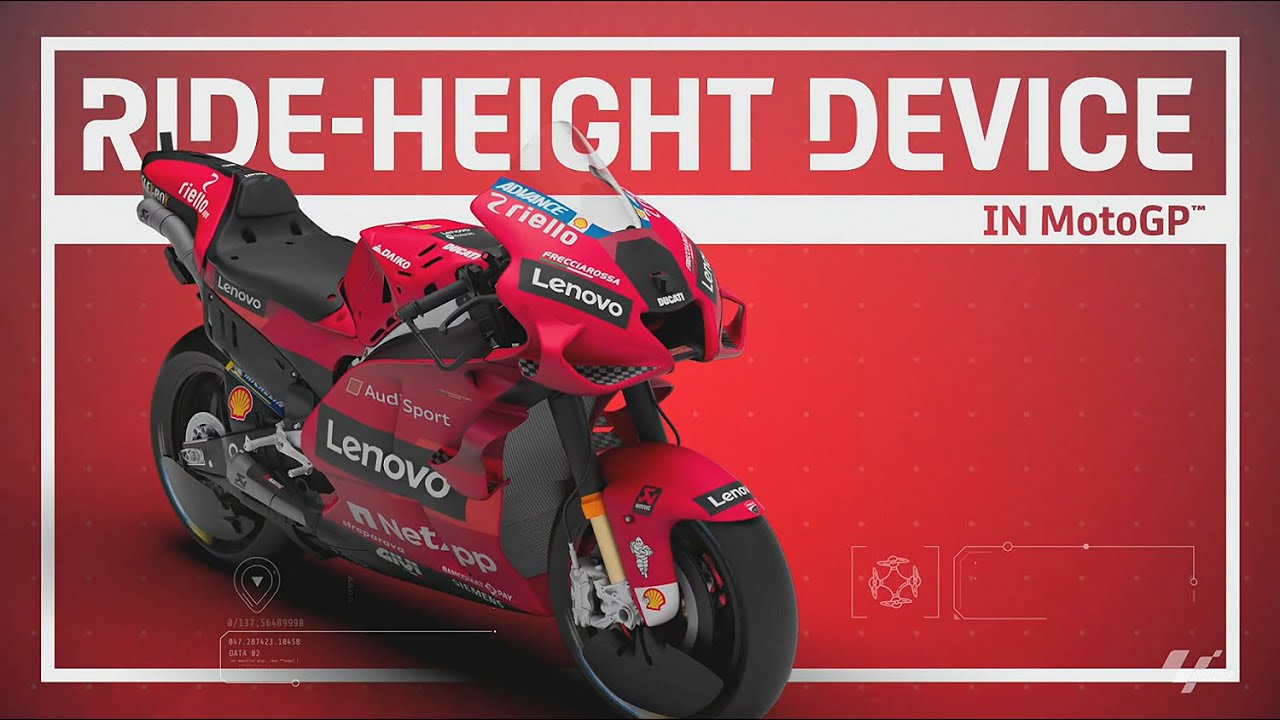
That is the technical reality underneath the Marquez narrative this year. The eight-time world champion sits fifth in the championship, 36 points behind Bezzecchi, having taken no podium across the first three rounds. He picked up a long lap penalty in Austin and has consistently absorbed the criticism in public.
"I'm missing, not the bike," Marquez has repeatedly told reporters when asked about Ducati's competitiveness. The line, classic Marquez, deflects pressure from his engineers and lets the heat fall on him personally. It is also, by Di Giannantonio's testimony, only partly true.
Ducati's response has been to bring a Jerez-specific aero update for the Spanish GP and to schedule a Monday test the day after the race to evaluate further changes. The work is real and the data set will guide the rest of the European swing. Whether it is enough to close a deficit that a satellite rider has now publicly characterised as structural is a different question.
The political optics also explain why Ducati's general manager Gigi Dall'Igna spent the Jerez build-up on camera publicly backing Marquez's fitness. With the contract for 2027 and 2028 already signed at the Sepang pre-season test in February but not yet announced, the conversation around the rider had drifted into retirement speculation. Reframing the discussion around fitness rather than machine kept the spotlight away from the engineers.
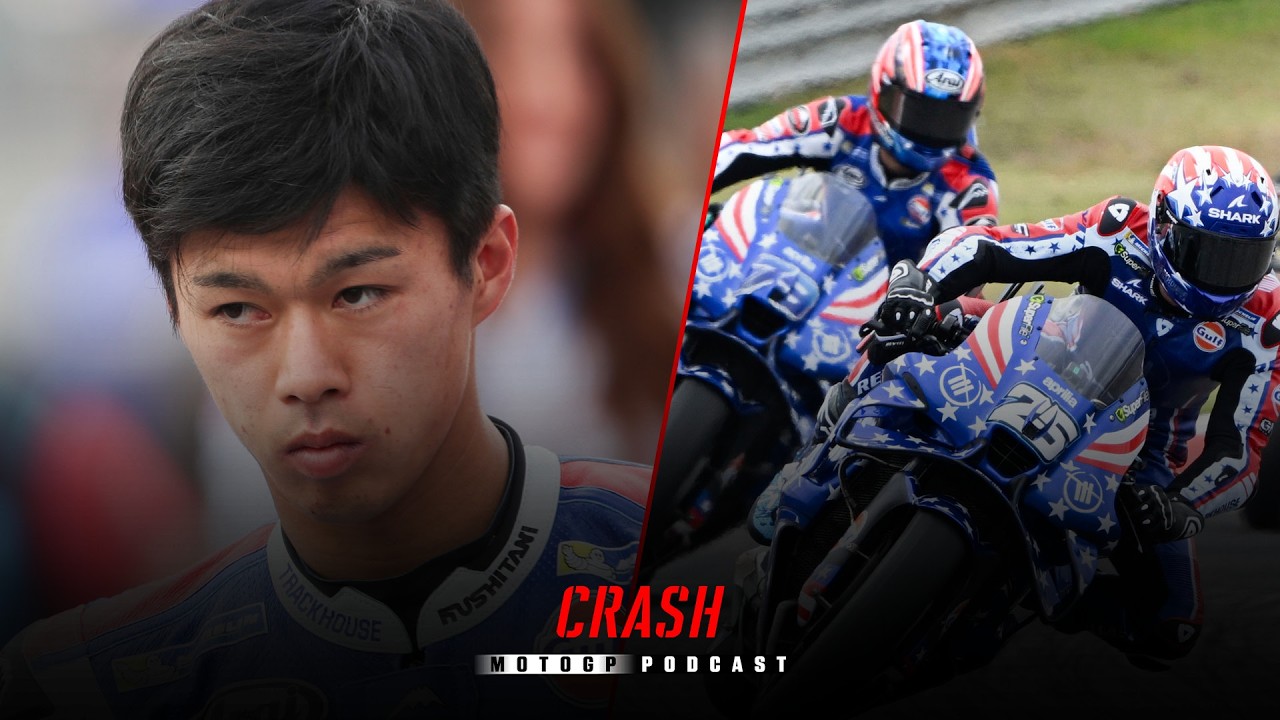
The contract reveal also shifts the political weight. With Marquez confirmed long-term, the question is no longer whether Ducati can keep him. It is whether Ducati can give him a bike that does what the Aprilia RS-GP26 already does on the brakes. Di Giannantonio's diagnosis is now part of the public record and will not be put back in the box.
For Bezzecchi and Aprilia, the front-end advantage has been transformative. The Italian has already taken three Grand Prix wins this season and arrives at Jerez with momentum, fitness and a bike whose strength on entry to corners suits the technical, low-grip rhythm of the Spanish circuit. For Ducati, the Jerez weekend was framed as a reset. For the GP26 itself, it is the first weekend without the fitness excuse to lean on.
---