

Sky Sports F1's David Croft has spent more than a decade as the lead voice of Formula 1 broadcasts in the English-speaking world, but the commentary box itself is rarely the story. In a new Q&A series for Sky's F1 Unpacked, Croft sat down to answer 11 questions fans have always wanted to ask — and what came back was a surprisingly granular look at the craft of calling F1 races live.
The most consistent thread through the interview was respect for the drivers, including how their names are pronounced. Croft explained that his policy is to go straight to the source whenever there is ambiguity.
"I tend to speak to the drivers personally if I'm in any doubt whatsoever on how to pronounce their names," he said. "If there's any doubt I tend to go and research it with the driver themselves that way even if there are other various ways of saying it. At least I know I'm doing it the way the driver says is okay."
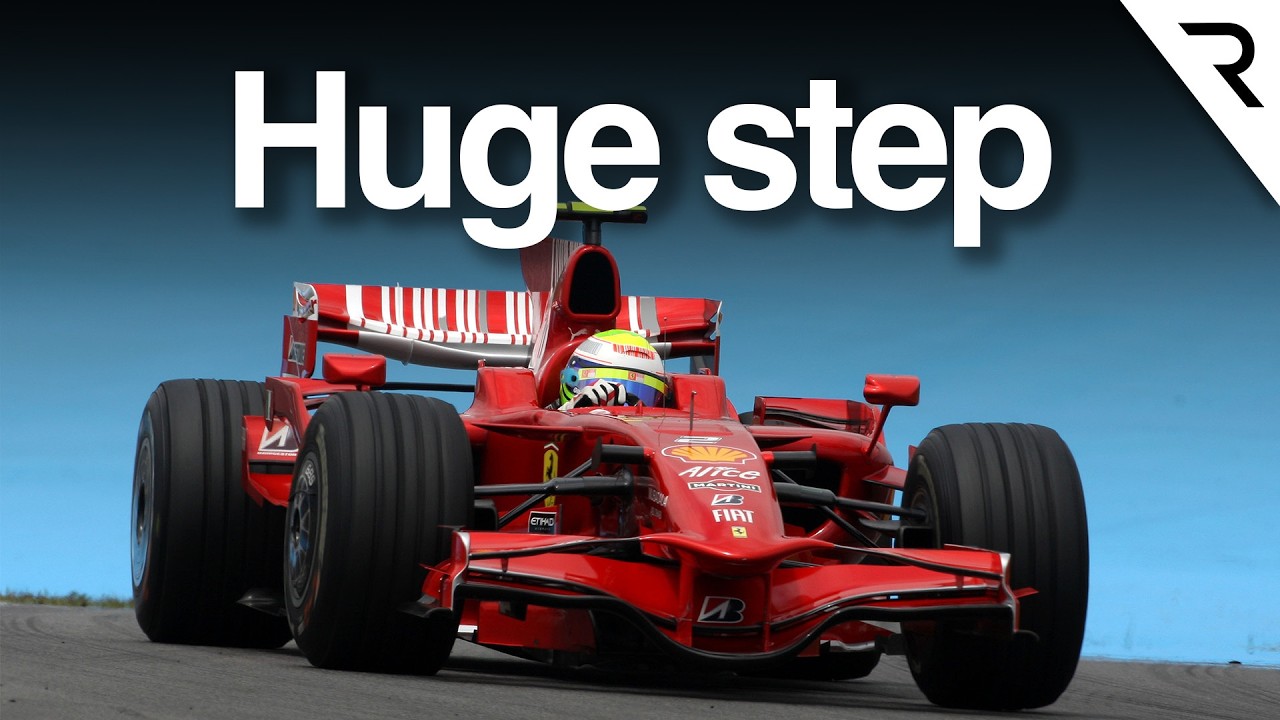
Two of the most argued-over names on the modern grid have been settled directly with the drivers themselves. According to Croft, Charles Leclerc once told him: "Sha declare is absolutely fine." Daniel Ricciardo, who has spent his entire career hearing his surname mispronounced as "Ric-CHEE-ardo" by Italian-leaning fans, was equally easygoing. As Croft told it, Ricciardo offered him a definitive answer right at the start of his F1 career: "Ricardo, fine by me."
A major change Croft flagged is how much harder modern Formula 1 cars have made driver identification — the bedrock of any commentary box.
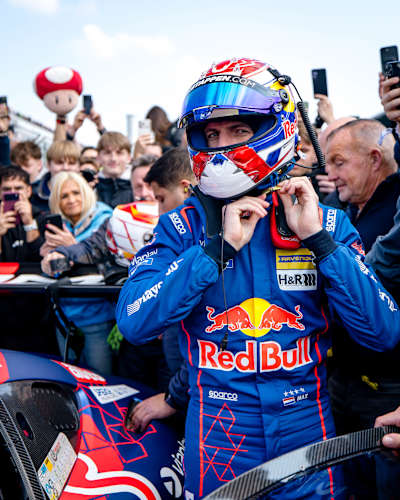
"It used to be quite easy to spot the drivers because they never changed their helmet colours and there wasn't a halo and you could see the drivers quite easily," he said. "But that is not always the case. Now, the halo can obscure things and drivers change their helmet quite frequently."
The job, in other words, has quietly become harder even as the broadcast graphics have become more sophisticated. Croft says he handwrites his notes the day before a race weekend kicks off, building a base set of stats and storylines, then continually adds to them throughout the weekend at the track.
Not every commentary box is created equal, either. Croft was asked which venues offer the best views and which leave commentators struggling to see the action.
"It differs," he said. "To be fair, some boxes are absolutely sensational. The view could not be better. I'm thinking of Abu Dhabi, Bahrain, China, Saudi Arabia, Baku. These are superb boxes. They're opposite the pits and you can see the pit lane. But there are some commentary boxes that don't have the best view in the world."
Long-time fans of the broadcast will not be surprised to hear that Croft was warm in his praise of his lead co-commentator, Martin Brundle. The pair have built one of the most recognisable commentary partnerships in modern motorsport, and Croft attributed the chemistry to mutual awareness rather than rehearsal.
"We all have an understanding of each other so that we don't talk over each other, that we're aware of the other people in the commentary box," Croft explained. "And certainly that's been the case with Martin and I right from the start."
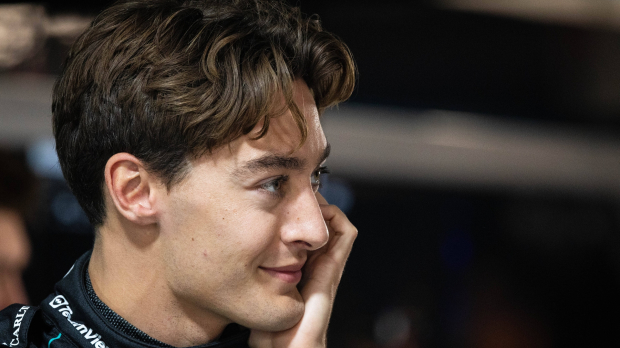
The ideal co-commentator, in Croft's view, is someone who can mirror the energy of the lead caller and translate complexity into something a casual viewer can grasp. "Someone who can see what we've all just seen and what I've just described as the lead commentator and then put it into perspective and explain the complicated very, very simply," he said. "And someone who wants to have a good time as well, because it's the best job in the world being a Formula 1 commentator."
The one note of mild grievance came when Croft was asked about race-day logistics. The Sky Sports F1 production team holds its main meeting roughly five hours before lights-out, which means an early bus from the hotel.
"Way too early," Croft said with a smile. "If any of our producers are listening to this, the bus is always too early. We have a production meeting about five hours before the start of the race."
For F1 fans, the takeaway is a small but illuminating one: the commentary that frames every race weekend is built on hours of handwritten prep, direct conversations with drivers about their own names, and the ongoing challenge of telling 20 helmeted figures apart through a halo. Croft, evidently, would not swap it for anything.
---
*Originally published on [News Formula One](https://newsformula.one/article/david-croft-f1-commentator-interview-driver-names-halo-commentary-box-2026). Visit for full coverage.*